
Empowering Australian grain growers through engagement, policy and capacity building
Empowering Australian grain growers through engagement, policy and capacity building
15,100GrainGrowers Members
220GrainGrowers Graduates


Featured topics

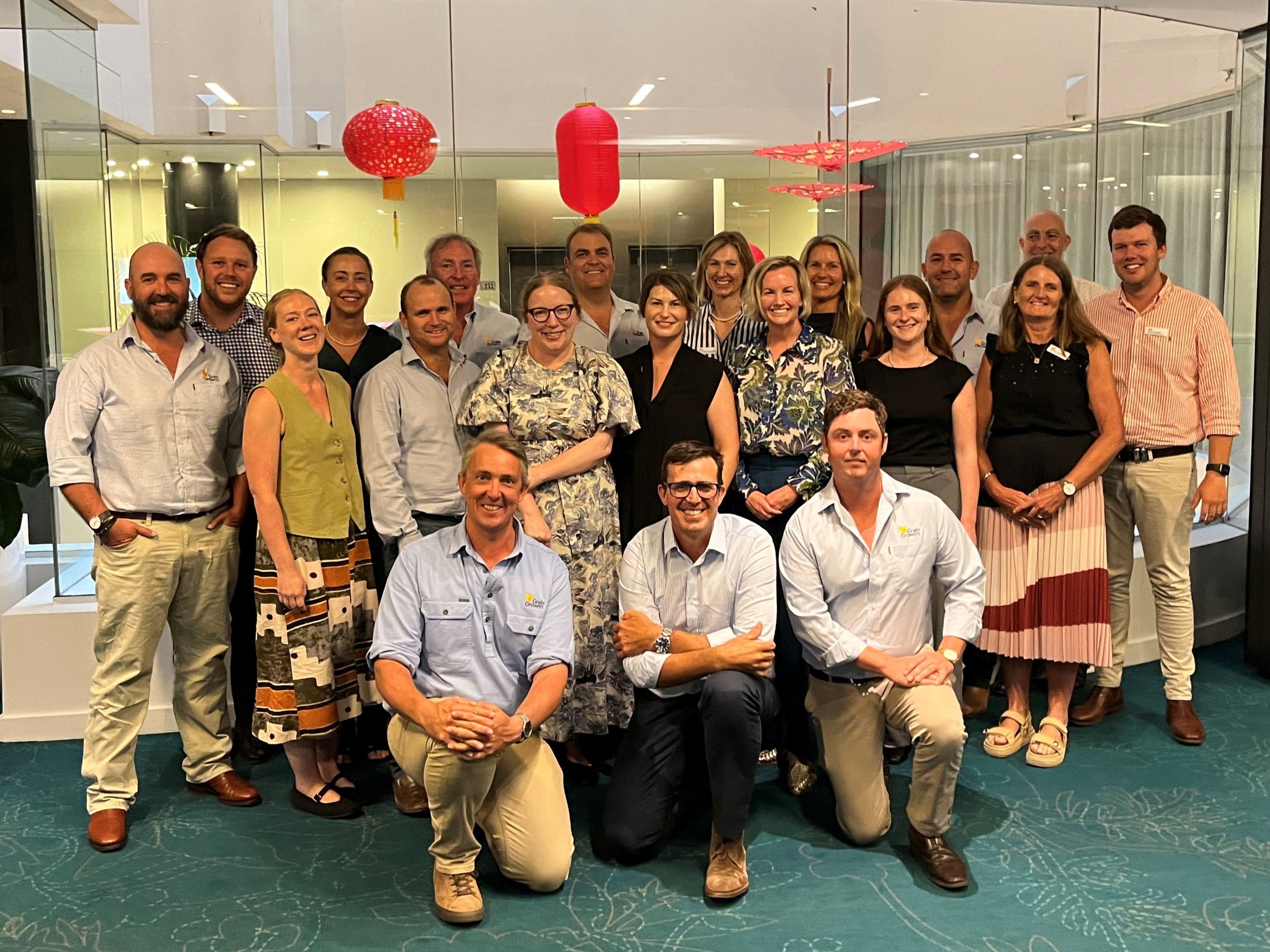
Nominations open for Western Region National Policy Group
GrainGrowers is calling for nominations from growers in the Western Region to join its National Policy Group. To be eligible, nominees must be a GrainGrowers member in the business of grain production in the Western Region (SA and WA).

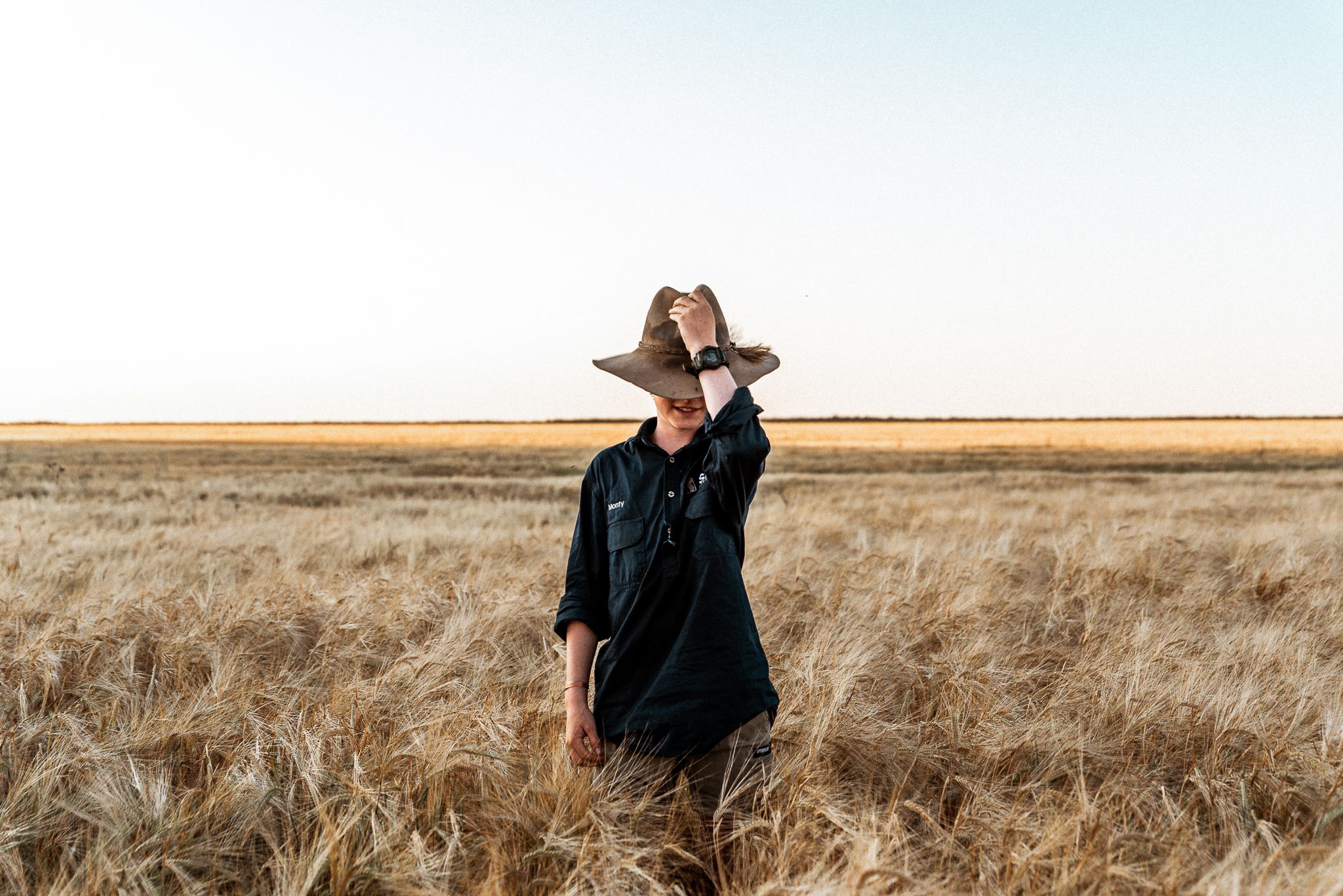
2027 Calendar Competition
GrainGrowers' Calendar Competition is now open! For many of our growers, the annual Calendar Competition is a chance to show off their excellent photography skills and the beauty of everyday life on farm.

2026 State of the Australian Grain Industry Report
GrainGrowers has released the 2026 State of the Australian Grain Industry Report, highlighting a sector that remains strong despite a challenging operating environment for growers. The report provides a five-year overview of the grain industry’s performance, including the key opportunities and challenges facing the sector.

Right Now | Mental Health and Wellbeing Resources
Right Now is a set of resources created with grower and psychologist Steph Schmidt, designed to provide practical support in the moment. On this page you'll find a set of step-by-step videos to support you in moments of need, followed by a list of resources to support you during and afterwards.

Grower Preparedness
GrainGrowers’ latest thought leadership research provides insight into what shapes growers’ attitudes to preparedness, the hurdles they face, and the factors that enhance preparedness.

Fertiliser reports
GrainGrowers publishes a fortnightly fertiliser report by Argus Media, including commentary on nitrogen, phosphates and potash, and some of Argus’ key price assessments for the Australian market.
Recently added
Market Update and Fertiliser Report | 23 October 2026
Russia is impacting both commodity and fuel markets this week as easing tensions are expected to see more Black Sea grain enter the global trade. Domestically recent reports have WA wheat production nearly 1 million tonnes higher than previously forecast, while SA is on track to record lentil production.