
GrainGrowers welcomes the opportunity to participate in the consultation on Securing Australia’s Cleaner Fuels Industry consultation paper on a proposed demand mechanism for low carbon liquid fuels.
Australia’s grain industry is poised to play a pivotal role in the development of low-carbon liquid fuels, leveraging decades of expertise in grain and oilseed production.
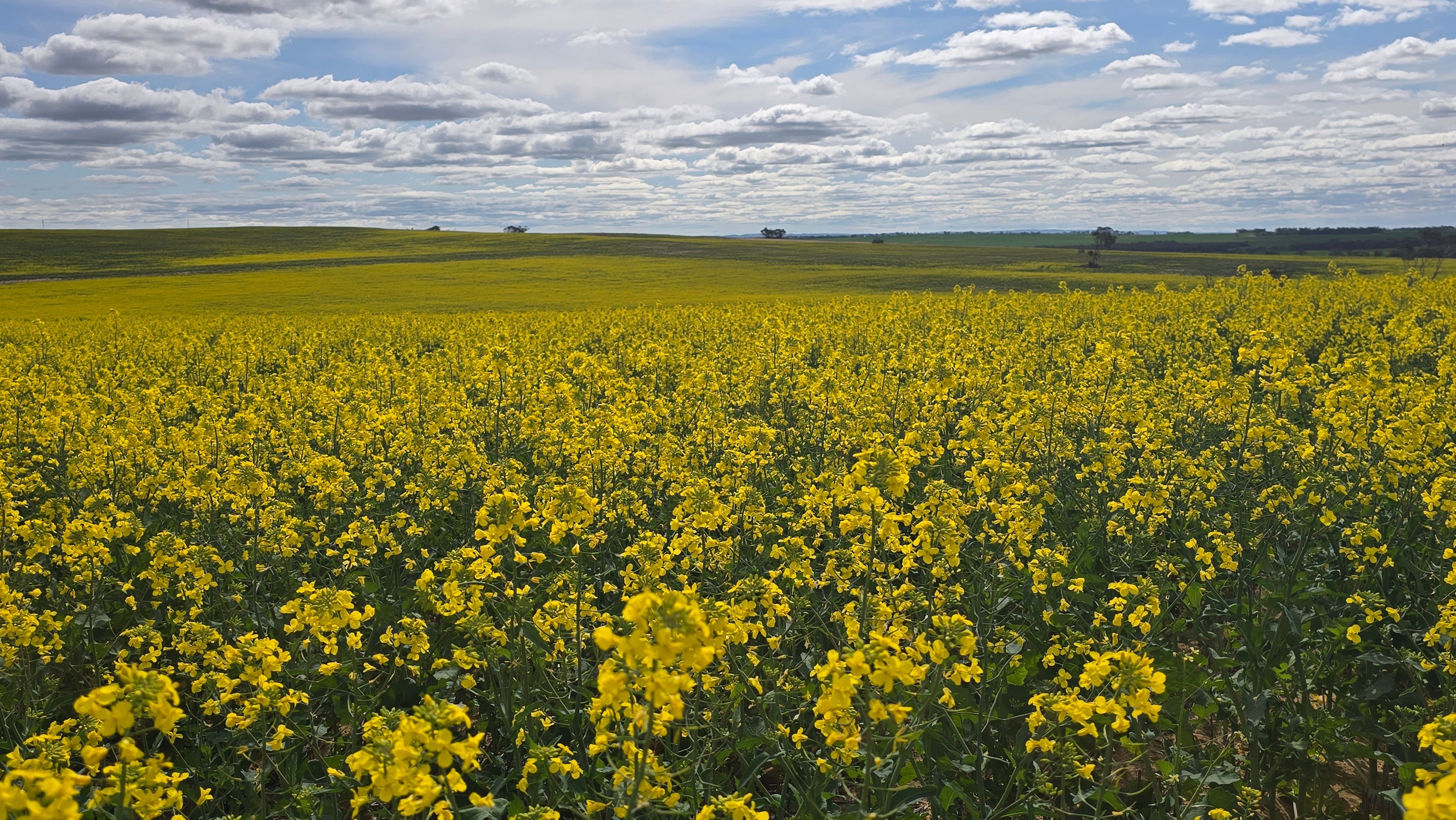
Australian grain and oilseed industries are well positioned to support a diverse range of established and emerging low-carbon liquid fuel pathways. Existing feedstocks such as canola are already contributing to the production of biodiesel and Sustainable Aviation Fuel (SAF), while grains including wheat, sorghum and barley can be utilised in ethanol production and advanced Alcohol-to-Jet (ATJ) technologies.
Looking ahead, emerging feedstocks such as carinata, alongside other novel energy crops, offer significant opportunities to expand and diversify Australia's feedstock base. Continued innovation in crop development, agricultural practices and conversion technologies will enable the sector to adapt and evolve as technologies evolve.
The development of a domestic low-carbon liquid fuel industry using Australian grain presents a unique opportunity to advance two national priorities: strengthening fuel security and reducing emissions. Australia remains heavily reliant on imported liquid fuels, leaving domestic supply chains exposed to global market disruptions and geopolitical instability. At the same time, Australia faces increasing pressure to decarbonise key hard-to-abate sectors such as the aviation industry and to support the transition to lower-emissions energy sources. Expanding domestic production of sustainable low-carbon liquid fuels offers a practical pathway to address both challenges by enhancing sovereign fuel capability while contributing to national emissions reduction objectives.
For Australian grain growers, the development of a domestic low-carbon liquid fuels industry will create valuable new market opportunities. Expanding domestic demand would give growers access to a broader range of customers and end uses, strengthening market diversity and supporting the long-term resilience and value of Australian grain production.
To support these objectives and ensure the development of a sustainable, competitive and grower-focused low-carbon liquid fuels industry, GrainGrowers makes the following recommendations:
- Prioritise the use of Australian feedstocks and domestic production
- Adopt a staged and pragmatic implementation pathway
- Government should ensure the transition to low carbon liquid fuels does not
impose additional financial costs on fuel users - Leverage government procurement to drive early demand
- Develop a long-term, technology-neutral framework that supports proven and emerging production pathways
- Ensure policy settings protect grower optionality by maintaining voluntary
participation in feedstock production and preserving growers' ability to respond to market signals
GrainGrowers welcomes the opportunity to discuss this issue further.