
GrainGrowers welcomes the opportunity to contribute to the consultation on Australia's Fuel Security and Resilience Package.
The Australian Government's commitment of $3.2 billion in the 2026-27 Budget to establish the Australian Fuel Security Reserve, together with the proposed increase to the Minimum Stockholding Obligation (MSO), represents an important step towards strengthening Australia's fuel security. These measures have the potential to improve Australia's preparedness for supply disruptions and reduce the risks posed by an increasingly uncertain global energy environment.
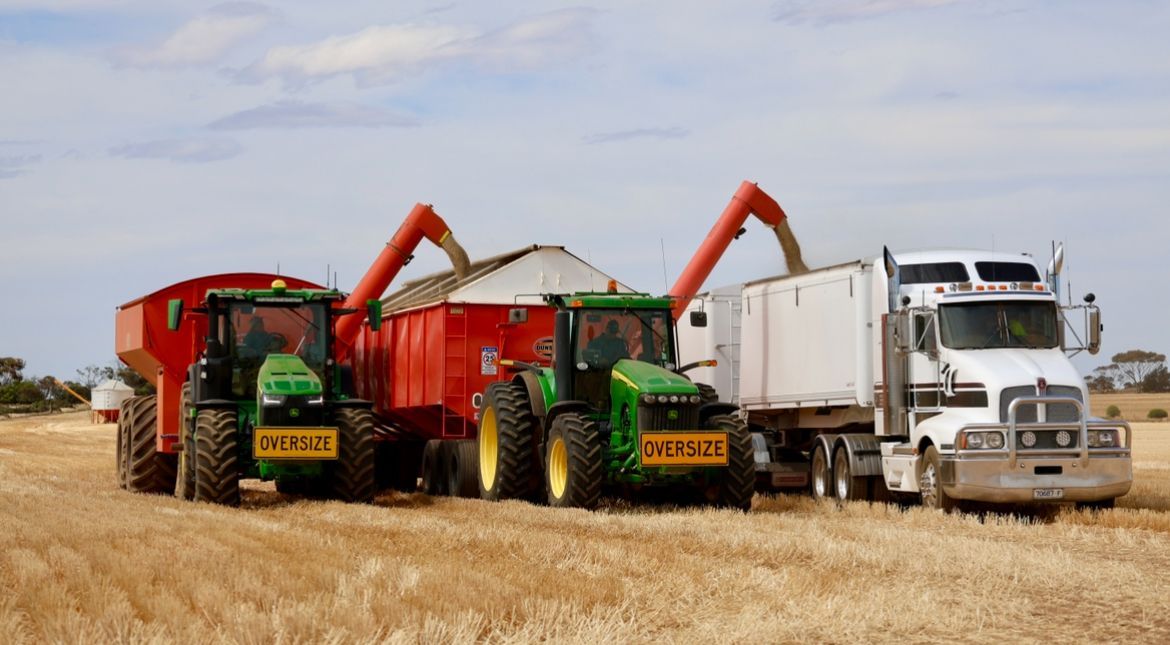
As these reforms are developed and implemented, it is essential that the needs of agriculture and regional Australia are explicitly recognised and prioritised. Recent fuel shortages have highlighted the disproportionate vulnerability of regional communities and industries to supply disruptions. For Australia’s grain industry, diesel is vital at every stage of the supply chain, sowing and harvest through to on-farm storage, transport, processing, and export. Any disruption to fuel availability can have immediate consequences for Australia's food security.
Recognising the critical role of fuel in sustaining agricultural production and regional economies, GrainGrowers urges the Government to ensure that the design of the Australian Fuel Security Reserve and associated policy measures reflects the unique operational requirements of the agriculture sector.
To support this objective, GrainGrowers makes the following recommendations:
- Prioritise diesel within the Australian fuel security reserve
- Enable future inclusion of low carbon liquid fuels in the Australian fuel
security reserve - Establish both general and targeted emergency release mechanisms
- Increase minimum stockholding obligations as early as practicable
- Establish a national strategic fuel resilience framework to guide regional fuel storage decisions
- Maintain strategic fuel reserves within Australian borders
- Increase monitoring throughout the fuel supply chain
GrainGrowers welcomes the opportunity to discuss this issue further with DCCEW.